01What Do You Picture When You Hear "Ceramics"?
A dinner plate. A terracotta flowerpot. Maybe a bathroom tile or two. For most people, the word conjures something domestic, even quaint — a craft rather than a cornerstone of technology. That picture is not wrong, exactly, but it is spectacularly incomplete. Ceramics, in the full scientific sense, are inorganic, non-metallic solids shaped and hardened by heat, and they permeate virtually every system that keeps modern life functioning. Once you start looking, they are everywhere — in your walls, your phone, your skeleton's replacement parts, and the spacecraft that have carried humans beyond the atmosphere.
The gap between perception and reality is remarkable. The ceramics industry is fond of saying that roughly 90 percent of ceramic applications are simply invisible in daily use. That is not hyperbole. The bricks in your walls, the glass in your windows, the cement binding your floors, the paint on your ceiling — all qualify as ceramic materials by scientific definition. Even the glossy white pigment in that paint is likely titanium dioxide, a ceramic compound. The world is, in a very real sense, built of fired and fused inorganic solids that most of us would never think to name.
02A Thread Stretching Back Twenty-Five Thousand Years
This is not a modern story. Archaeological evidence places the earliest man-made ceramics at roughly 25,000 BC — small fired figurines, most likely ritual objects, discovered at sites in central Europe. Functional pottery followed later, emerging independently in Mesopotamia, the Indus Valley, and ancient Egypt as settled communities needed vessels to store grain and water. Those first potters discovered something that still underlies the entire field: apply enough heat to the right clay, and something irreversible happens. The material transforms, becoming harder, durable, and water-resistant in ways raw earth never could be.
From that moment, the unbroken thread of ceramic innovation stretches forward through the exquisite glazed wares of imperial China's Northern Song dynasty, through the industrial brickmaking that made dense urban architecture possible, through the vitrified porcelain of early modern Europe that Louis XIV coveted obsessively at Versailles, and on into the precision-engineered materials of the twenty-first century. No other class of solid material can claim a history so long, a range of application so broad, or a future so technically ambitious.

03The First Generation: Building the Physical World
Traditional silicate ceramics — the bricks, glass, tiles, and sanitary ware that constitute what engineers call the first generation — literally constructed the environment around us. Consider just one structure: the Sydney Opera House, whose roof shells are clad in more than a million ceramic tiles, chosen precisely because fired ceramic surfaces resist weathering, salt air, and UV degradation in ways that paint or metal cannot. Multiply that logic across every city on earth and you begin to appreciate the scale.
Glass deserves particular mention because it is so rarely recognised for what it is. The windows in your home, the screen protecting your smartphone display, the optical fibre carrying internet traffic at the speed of light — all are ceramic materials in the rigorous sense. So is cement, the binding agent in concrete, which makes it arguably the most widely used manufactured material in the world after water. Remove first-generation ceramics from civilisation and you do not merely lose some useful objects; you lose the built environment itself.
Chronology
- ~25,000 BCEarliest fired ceramic figurines, central Europe
- ~10,000–7,000 BCFunctional pottery emerges in Mesopotamia, Indus Valley, Egypt
- ~960–1127 CENorthern Song dynasty; peak of imperial Chinese glazed ceramics
- 1980sDiscovery of copper-oxide ceramic superconductors at accessible temperatures
- Late 20th–21st CAdvanced bioceramics and ceramic composites enter medicine and aerospace
04The Second Generation: Inside Engines, Bodies, and Circuits
What happened in the latter half of the twentieth century was a quiet revolution. Materials scientists discovered that carefully engineered ceramic compositions — advanced ceramics, as the field calls them — could perform remarkable electrical, thermal, and biological functions that metals simply cannot match. The consequences rippled through medicine, computing, aerospace, and energy in ways that are still unfolding.
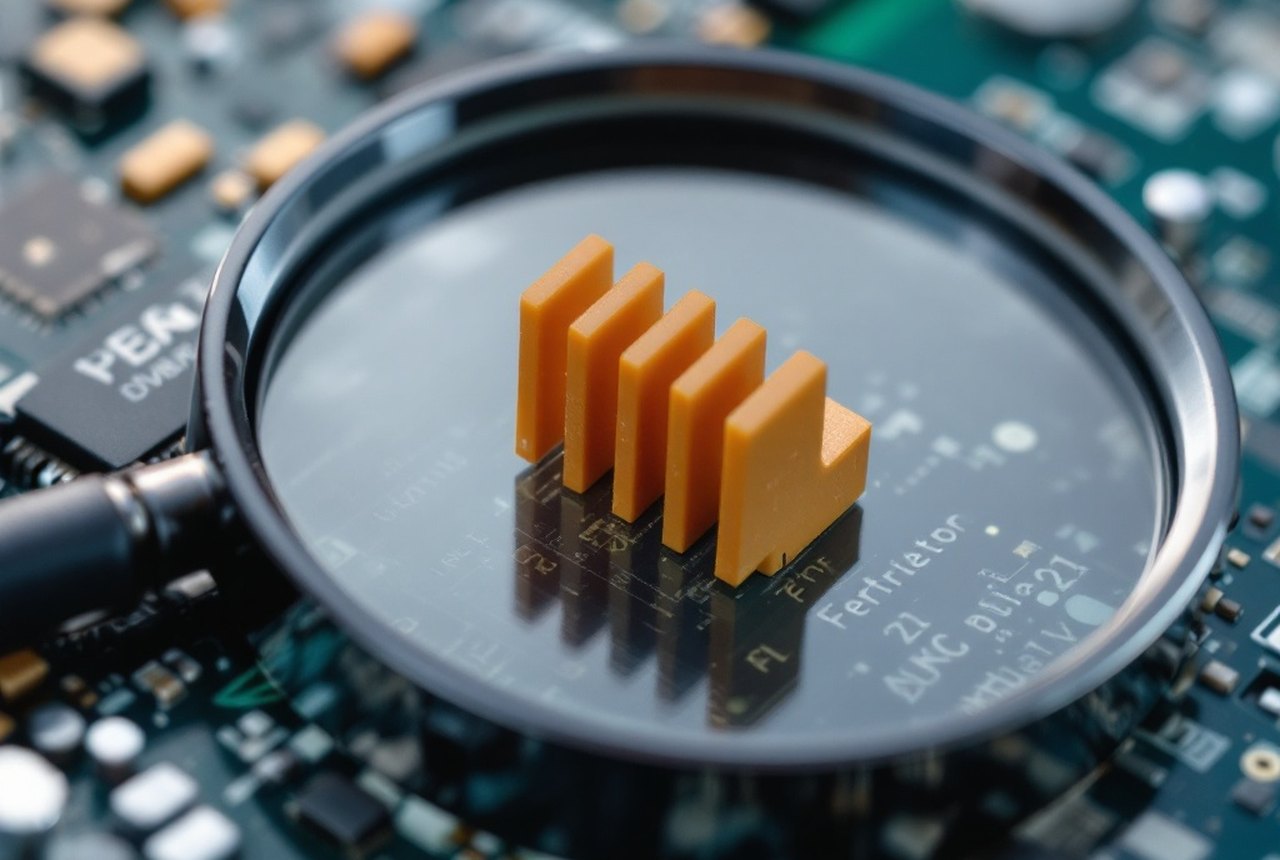
Inside the smartphone in your pocket, ceramic ferrites form the permanent magnets essential to its speakers and wireless charging coils. The circuit board itself relies on ceramic substrates chosen for their electrical insulation and thermal stability. Hard-drive read-write heads are coated in advanced ceramic compounds to survive millions of near-contact passes at high speed. Meanwhile, piezoelectric ceramics — materials that convert mechanical pressure into electrical signals — are the hidden sensors inside automotive airbag systems, medical ultrasound probes, and industrial sonar equipment.
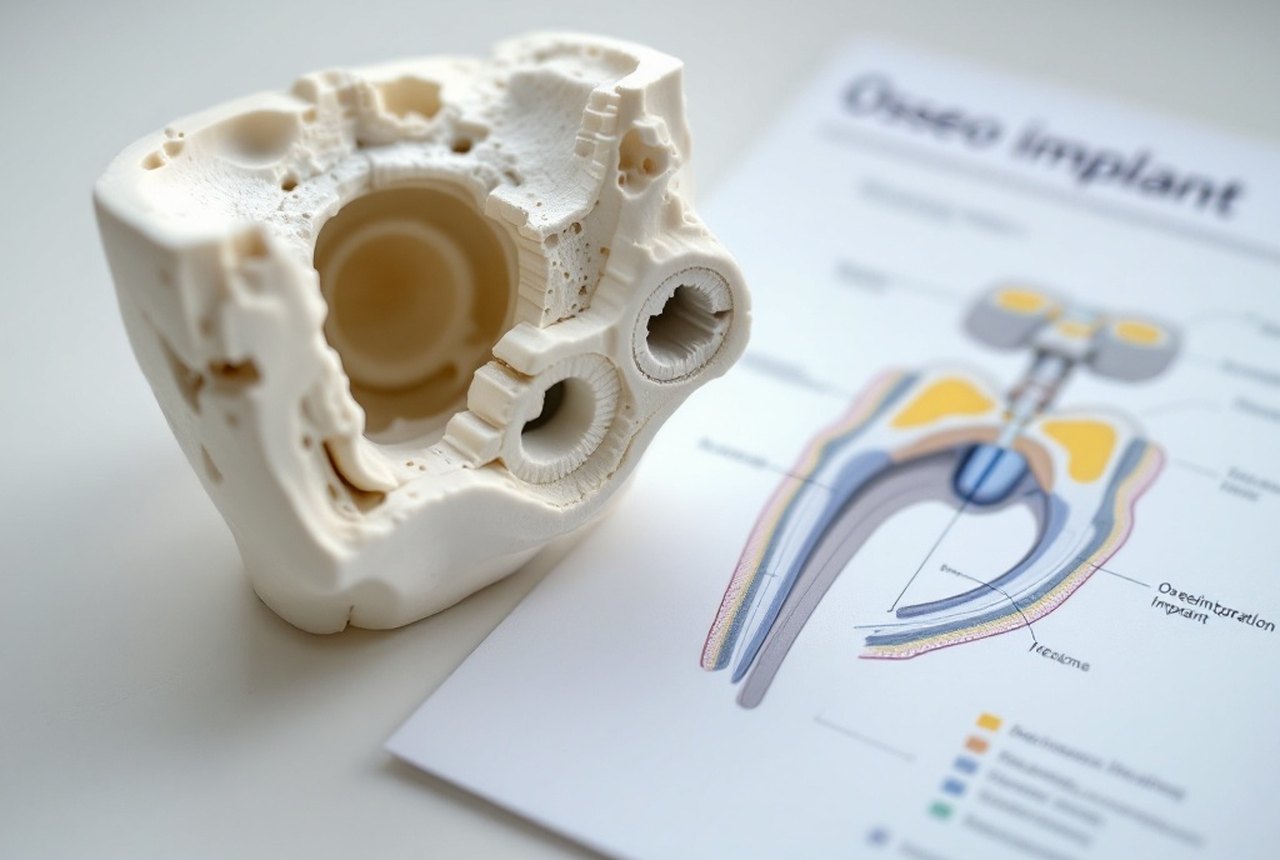
Medicine has been transformed equally. Bioceramics, engineered for the extreme demand of compatibility with living tissue, now form the bearing surfaces of hip and knee replacements, the roots of dental implants, and the scaffold materials used in bone regeneration surgery. Unlike metals, a well-designed bioceramic can bond directly with living bone, a property called osseointegration, which has given millions of people back functional joints and stable teeth. The field of materials science, which studies the precise relationship between a material's internal structure and its outward performance, has made these advances possible by revealing exactly how composition and firing conditions determine biological compatibility.
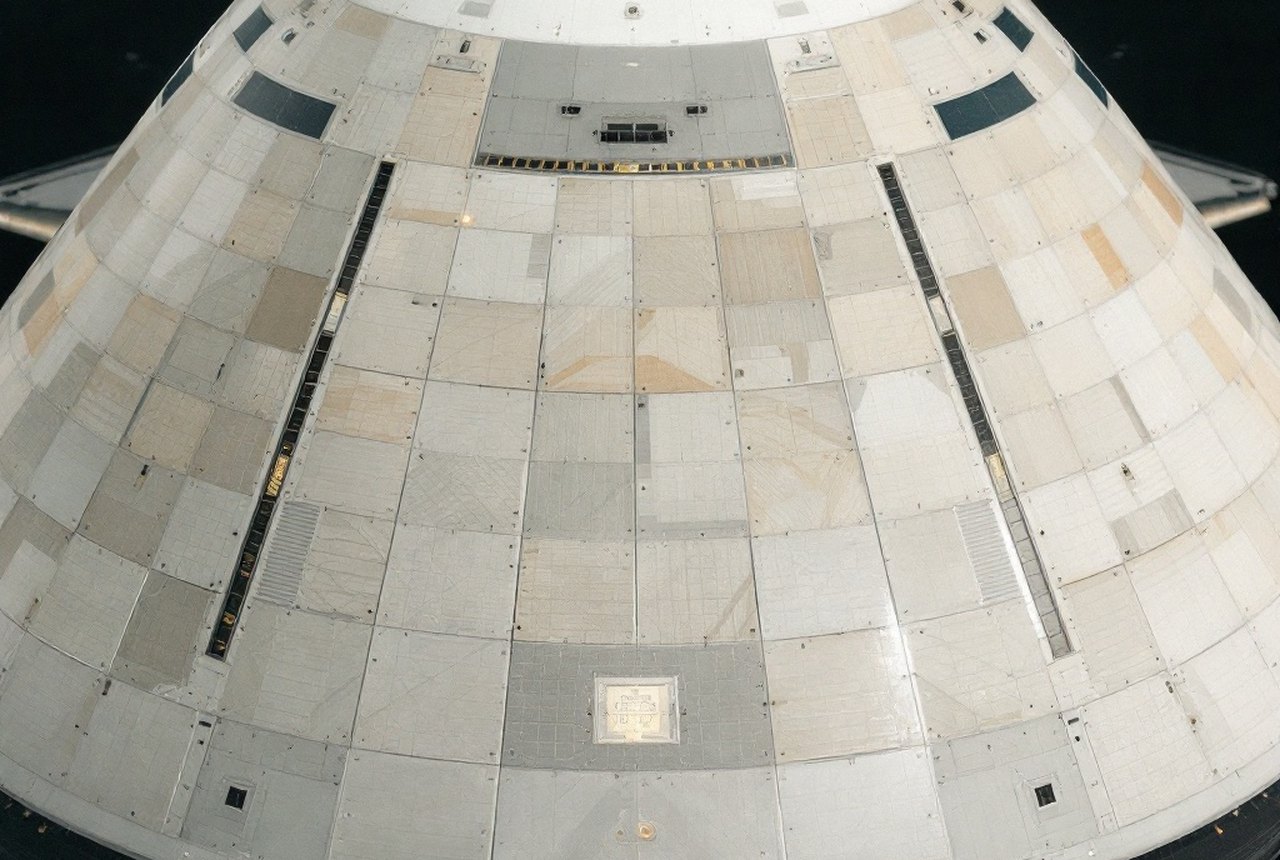
In aerospace and energy, the story is equally dramatic. The refractory ceramic tiles bonded to the underside of space shuttles absorbed and radiated the ferocious heat of atmospheric re-entry — temperatures that would destroy any metal — protecting the crew inside. Ceramic-based superconductors, developed after the discovery in the 1980s that certain copper-oxide ceramics could conduct electricity with essentially zero resistance at relatively accessible temperatures, are now used in components made by companies such as American Superconductor for power-grid and clean-energy applications.

05What Happens If You Take Ceramics Away?
It is a thought experiment worth running. Remove ceramics from the world and you lose not just your crockery. You lose your home's structural fabric, your windows, your electrical insulation, your medical implants, your smartphone, your catalytic converter, the filtration membranes in your water supply, the cutting tools that manufactured almost everything you own, and the heat shields on satellites. The electrical grid, which depends on ceramic insulators at virtually every pylon, substation, and transformer, would fail. Modern dentistry would collapse. Jet engines, whose turbine blades increasingly rely on ceramic composites to survive temperatures beyond what any metal alloy can endure, would hit a hard technological ceiling.
No single material class — not steel, not plastics, not silicon — touches as many sectors simultaneously. What makes ceramics so irreplaceable is precisely the combination of properties no other material can replicate all at once: extreme hardness, chemical inertness, electrical insulation (or, in engineered variants, semiconduction and superconductivity), thermal stability, and biological compatibility. The ancient potter stacking clay over a fire twenty-five thousand years ago could not have imagined what that first act of transformation would eventually make possible. But the logic was the same then as it is now: apply heat, change matter, make something that endures.
Ceramics are not a niche material. They are the quiet, largely invisible backbone of modern existence — and understanding them is understanding the physical world itself.