01A Material With Deep Roots
Ceramics are among the oldest manufactured materials on earth. Long before the kilns of Mesopotamia or the finely worked pottery of the Indus Valley, early humans discovered that clay transformed by fire becomes something fundamentally different — harder, more durable, chemically resistant. What they could not have anticipated is that this same basic insight would, thousands of years later, yield a watch case polished to a glass-like lustre and worn on the wrists of millions.
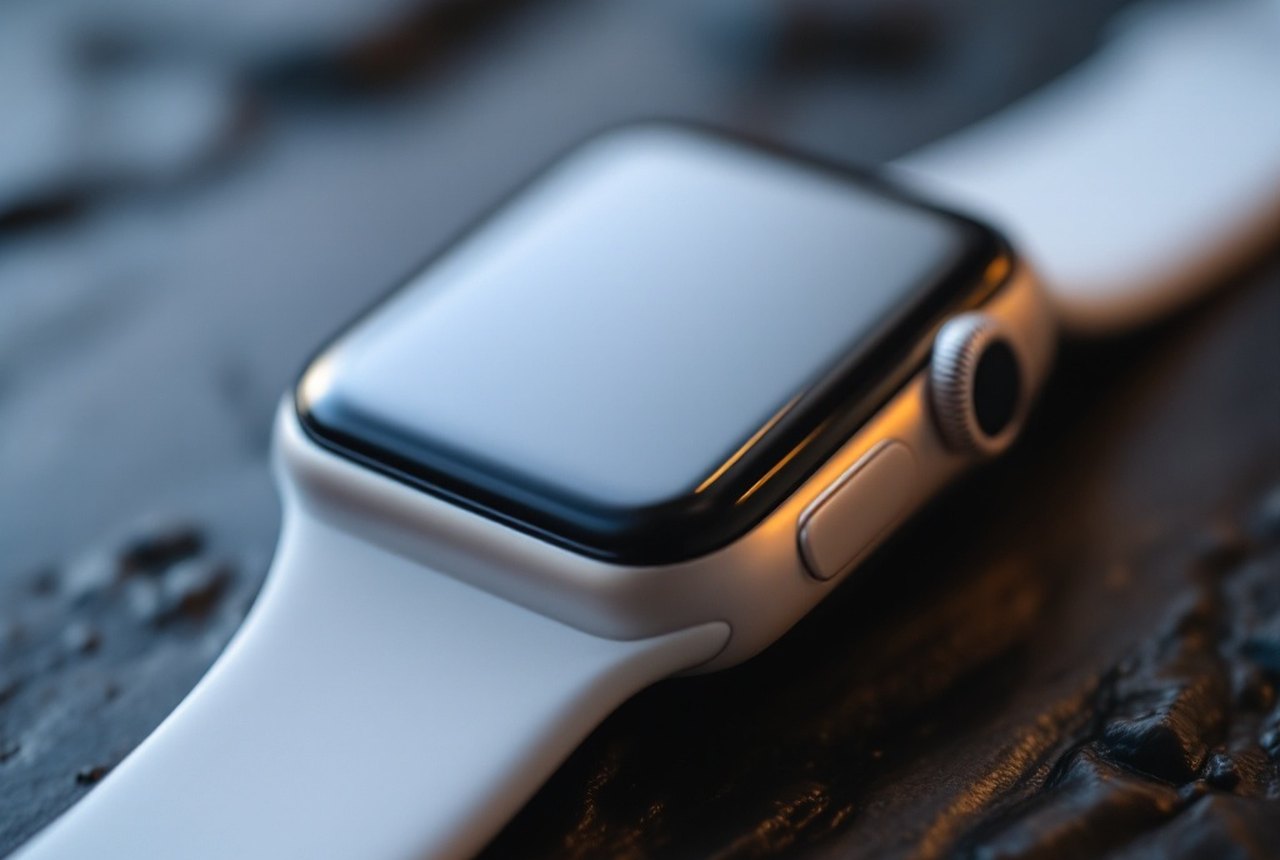
Apple introduced ceramic to its watch lineup in 2016 with the Apple Watch Edition Series 2. The choice was not arbitrary. Ceramic had already earned its place in haute horlogerie — luxury Swiss watchmakers had been experimenting with it for years before Apple's entry — but the Cupertino company did something genuinely ambitious: it took a notoriously difficult material to work with and industrialised it at consumer scale. The result was a finish unlike anything else in the lineup, and it generated a level of enthusiasm among collectors and enthusiasts that simple steel or aluminium never quite managed.
02The Science of the Case
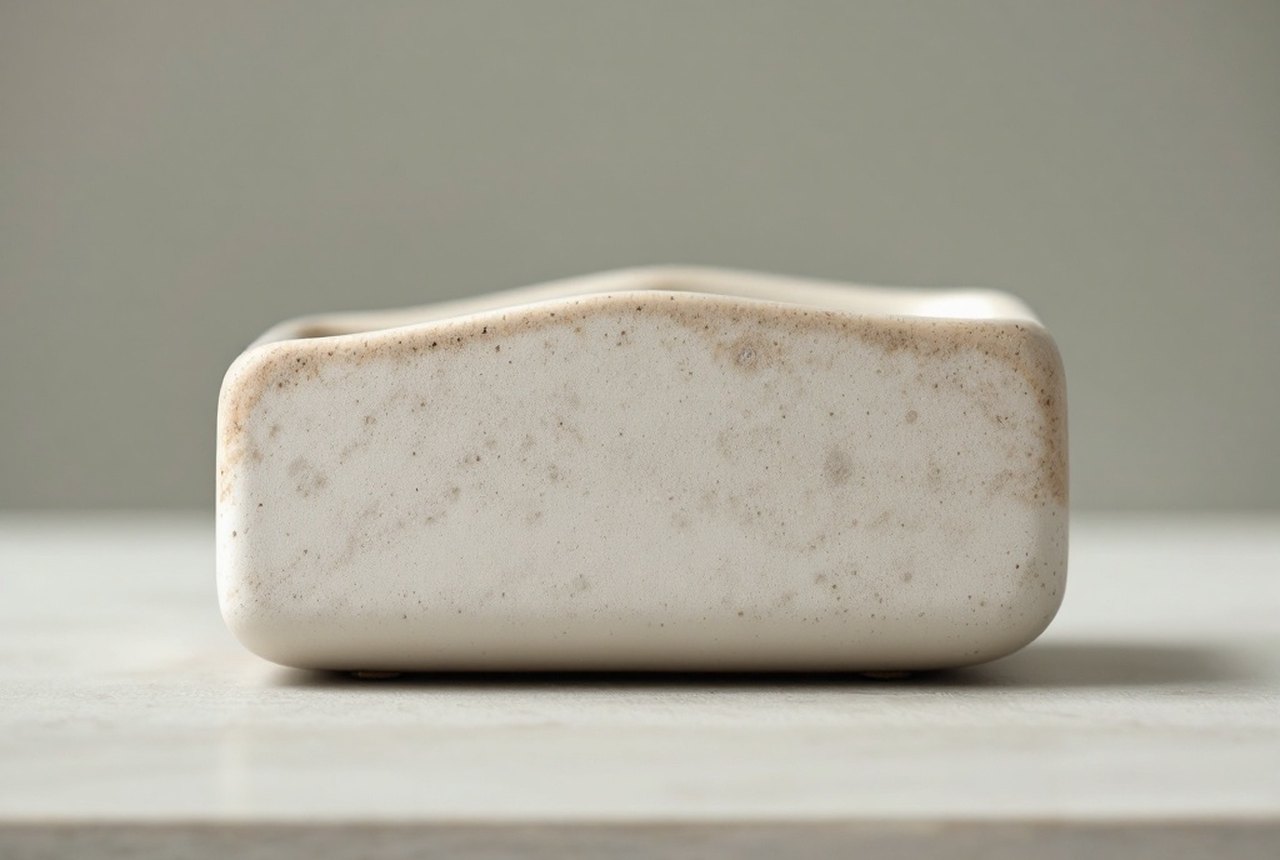
The ceramic used in the Apple Watch Edition is not the same family of material as a bathroom tile or a coffee mug — though all of these share the same fundamental definition as inorganic, non-metallic solids hardened by heat. The watch case is made from zirconia, or zirconium dioxide, a high-performance advanced ceramic with a very different profile from the earthenware of everyday life.
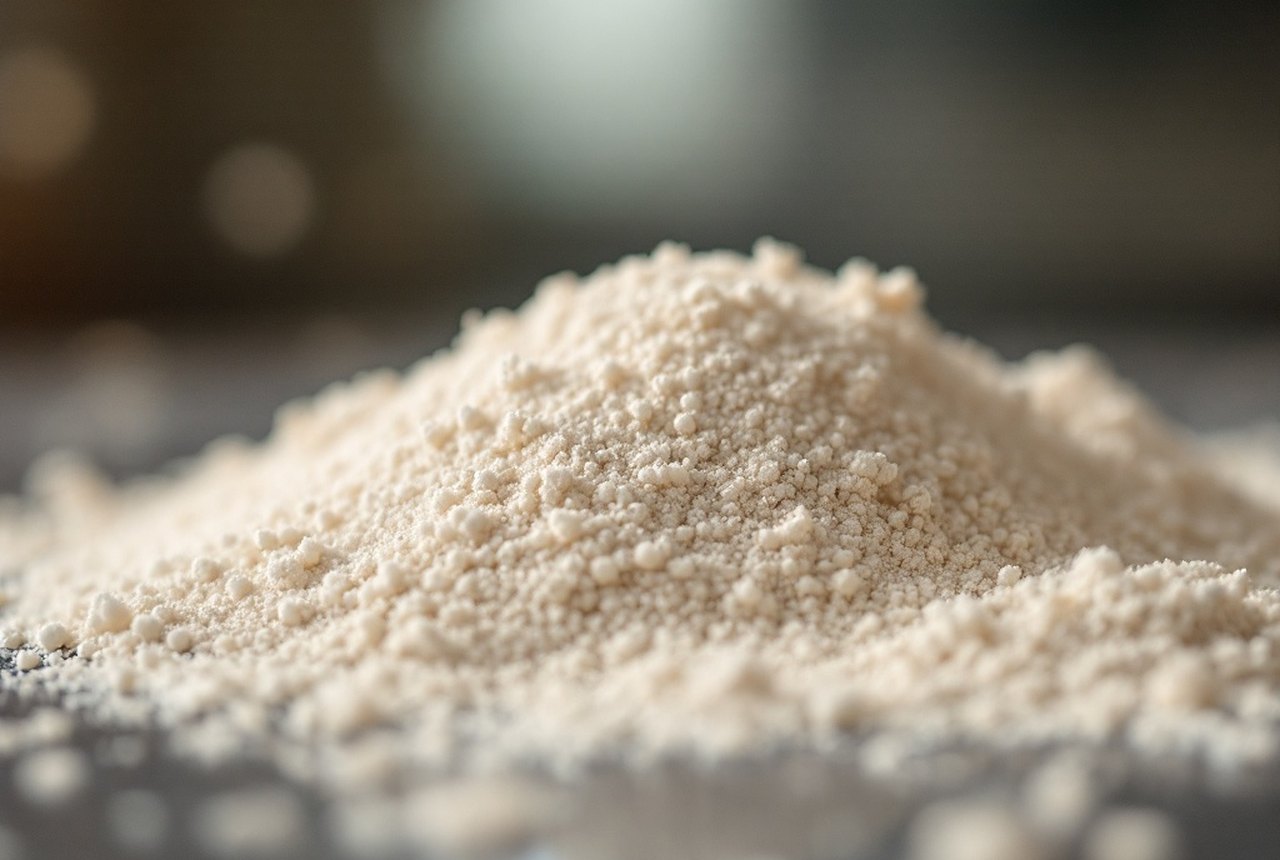
To achieve the signature cool, luminous white tone, zirconia powder is blended with alumina — aluminium oxide. The two compounds work together to produce a colour that is simultaneously crisp and warm, almost luminescent under different lighting conditions. That powder mixture is then compacted and subjected to sintering: a process of intense heat and pressure that fuses the particles into a dense, non-porous solid without ever melting the material into a liquid state. The result is a component that emerges close to its final shape but still requires extensive finishing.
And finishing is where ceramic demands real patience. Bringing a zirconia case to its final polish takes several days of grinding and buffing. The hardness that makes the surface so scratch-resistant — significantly harder than stainless steel — is precisely what makes it so time-consuming to work. Each case has to be coaxed rather than forced. The surface that emerges is glassy and deep, catching light in a way that brushed or mirror-polished steel simply cannot replicate. It also does not tarnish. There is no surface coating to wear through, no oxidation layer forming at the edges over time. The white you see on day one is the white you will see years later.
03Hardness, Brittleness, and the Engineering Solution
Ceramic's most significant limitation is brittleness. For all its surface hardness, zirconia — like most ceramics — is vulnerable to the kind of sharp, concentrated impact that propagates a crack through the material from a single point of failure. This is not a flaw unique to watches; it is the fundamental mechanical trade-off built into the physics of the material class. The question for Apple's engineers was not whether to ignore this property but how to design around it.
The answer lies in geometry. The rounded case profile introduced with the Apple Watch Edition Series 2 does something physically useful: it distributes impact force across a broader area of the surface rather than concentrating it at a corner or edge. A sharp-cornered case would focus energy precisely where ceramic is most vulnerable; the curved profile spreads that energy and reduces the peak stress at any given point. The crown and strap lugs — the protruding extensions where the band attaches — sit proud of the main case and act as a further buffer, intercepting glancing blows before they reach the flat faces.
This is, in its way, a very old ceramic design principle. Potters and engineers across centuries have known that smooth curves survive mechanical stress better than sharp transitions. Apple's designers applied the same logic with modern finite element analysis behind it.
Chronology
- 2016Ceramic debuts on Apple Watch Edition Series 2; white zirconia case with sapphire glass
- Series 3Ceramic case continued in the Edition line, now with cellular connectivity
- Series 5Always-on display introduced alongside ceramic and titanium case options
04From Series 2 to Series 5: A Short Chronology
The ceramic Edition debuted in 2016 alongside the Series 2, offering a white zirconia case paired with a sapphire glass display — itself a remarkable material, a single crystalline form of aluminium oxide grown rather than cast, and extraordinarily resistant to scratching. The pairing made sense: two of the hardest materials in consumer electronics, side by side.
Series 3 continued the ceramic option, but it was absent from the Series 4 line-up. Then came Series 5, which brought the always-on display — a screen technology that shows the time and key watch face information continuously, without requiring the user to raise their wrist or tap the display. Paired with the ceramic and titanium case options offered at that generation, the Series 5 represented the most technically sophisticated ceramic Apple Watch produced. For the collector or the materials enthusiast, it sits at an interesting intersection: everyday wearable technology built from a material with a manufacturing lineage stretching back to the beginning of human craft.
05Wearing It: Practical Considerations
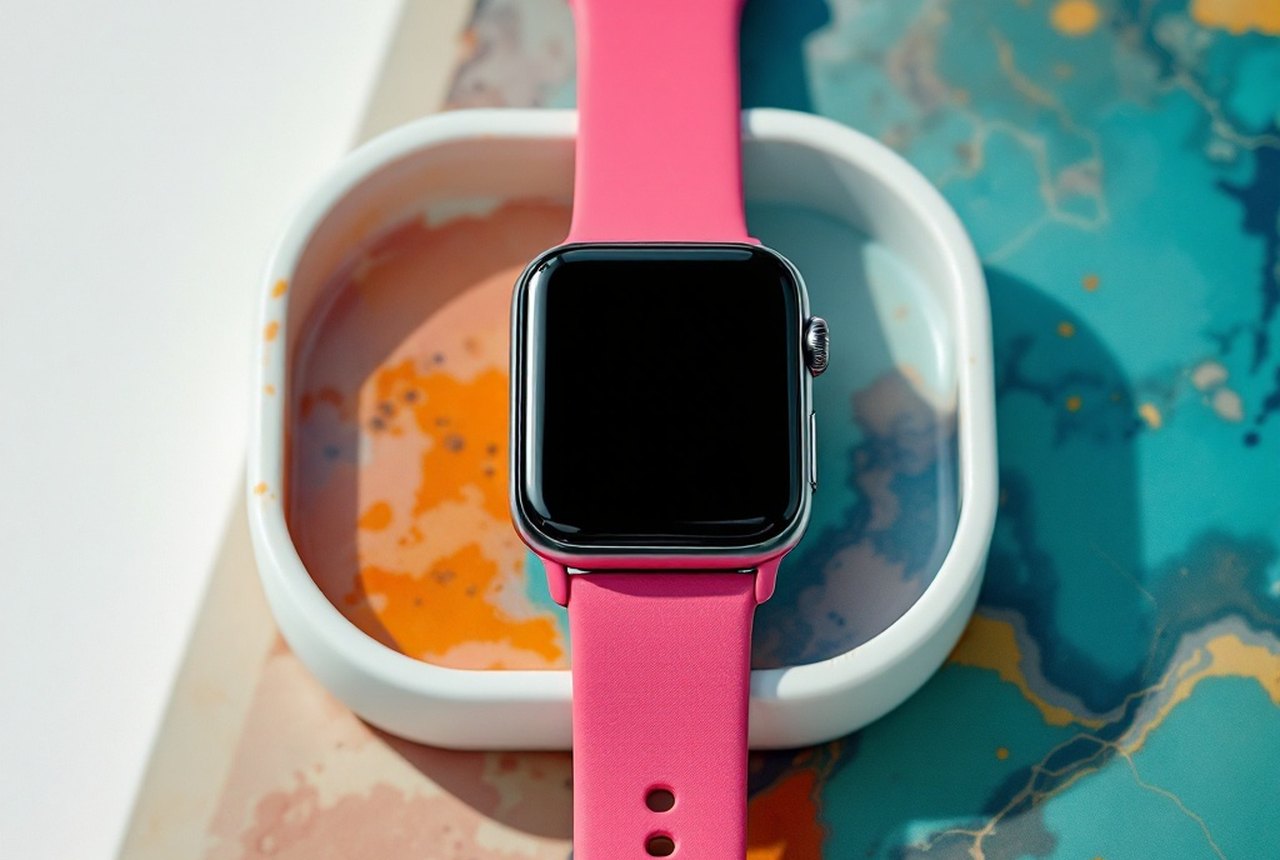
The ceramic Apple Watch Edition pairs naturally with any band Apple offers, and its neutrality of colour makes it unusually versatile. Bold, contrasting colours work particularly well — a vivid sport band against the white case creates a clean graphic contrast — while more subdued loops and Milanese bands let the case speak for itself.
In terms of weight, ceramic sits slightly heavier than aluminium on the wrist, a consequence of its density as a sintered solid. Most wearers who make the switch from aluminium or stainless steel report that the difference is noticeable initially and unremarkable within a few days. The surface hardness means scratches from keys, desk edges, or the general friction of daily life leave no visible trace. The main practical caveat remains what the engineering already addresses only partially: a sharp, direct impact on a hard floor can, in unlucky circumstances, crack a ceramic case in a way that a steel case would merely dent. The rounded geometry helps; it does not eliminate the risk entirely.
What ceramic does offer, and what no other Apple Watch material quite replicates, is a sense of considered material choice. This is a substance that required days of skilled processing to reach its final form, that borrows from traditions running from ancient kilns to aerospace heat shields, and that sits — unusually for a consumer wearable — at the overlap of functional materials science and genuine craft. On the wrist, it reads simply as a beautifully white watch. Behind the surface, the story is considerably richer.