01A Medium Without Borders
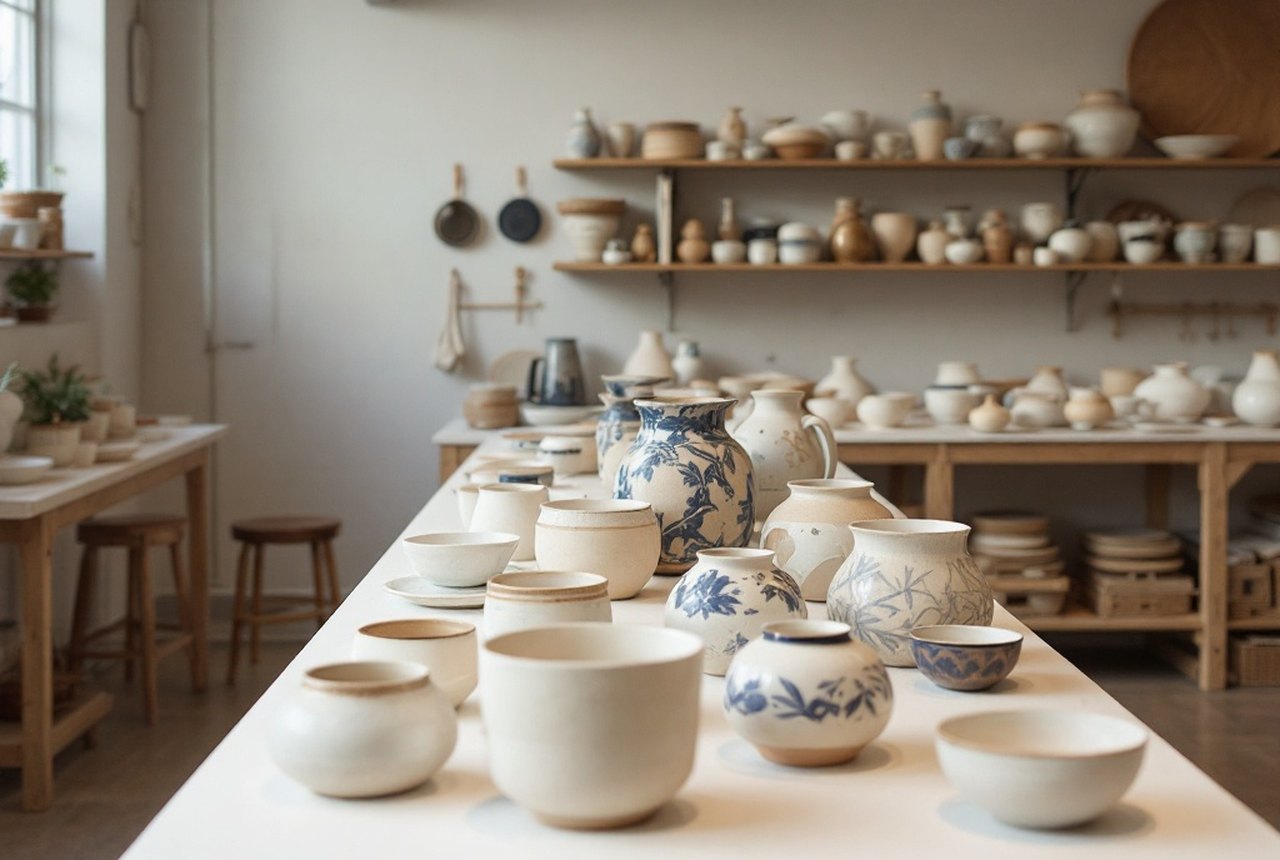
Few materials in human history carry as much weight — literally and figuratively — as fired clay. Long before writing was common currency, potters in Mesopotamia, the Indus Valley, and Egypt were pressing their imaginations into clay and hardening them in fire. What emerged were vessels, yes, but also something far more durable: a record of human ingenuity, ritual, and aesthetic longing. Ceramics is among the oldest of crafts, and yet it stubbornly refuses to be a relic. Walk into any serious gallery today and you are just as likely to encounter a monumental glazed sculpture confronting questions of identity as you are a perfectly thrown bowl. The medium spans everything, and a handful of remarkable institutions around the world are making sure it gets the serious, sustained attention it deserves.
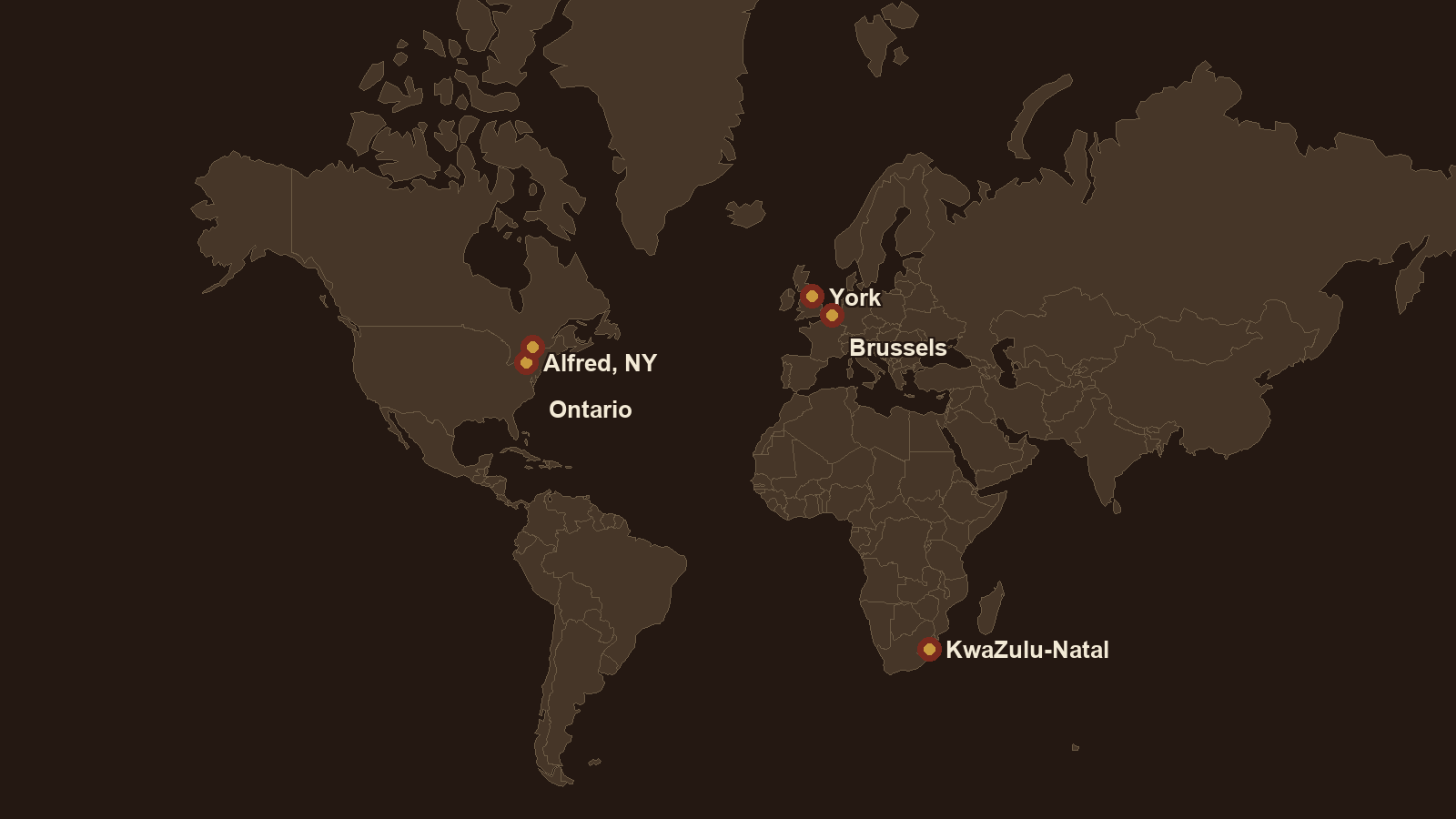
These five destinations — spread across the United Kingdom, the United States, Belgium, Canada, and South Africa — each approach ceramic art from a distinct angle. Together they form something like an informal atlas of the form: its deep history, its regional flavour, its restless contemporary energy.
02The Intimacy of British Studio Ceramics: CoCA, York
Tucked within the elegant surroundings of the York Art Gallery in York, UK, the Centre of Ceramic Art — known simply as CoCA — houses one of England's most compelling collections of British Studio Ceramics. The collection has been built largely through private gifts from artists, collectors, and estates, which gives it a warmth and specificity that purely acquisitions-driven collections can lack. Every piece reflects the individual hand and individual voice of its maker, and together they trace the arc of a movement that emerged during the twentieth century in deliberate reaction against the anonymity of industrial pottery production.
British Studio Ceramics placed the individual maker back at the centre of the process. Potters were not just craftspeople executing patterns; they were artists with something to say, and the clay was their language. CoCA's collection honours that conviction, making York an essential destination for anyone serious about understanding how ceramics crossed the threshold from craft into fine art.
03Nearly 8,000 Objects and Counting: Alfred Ceramic Art Museum
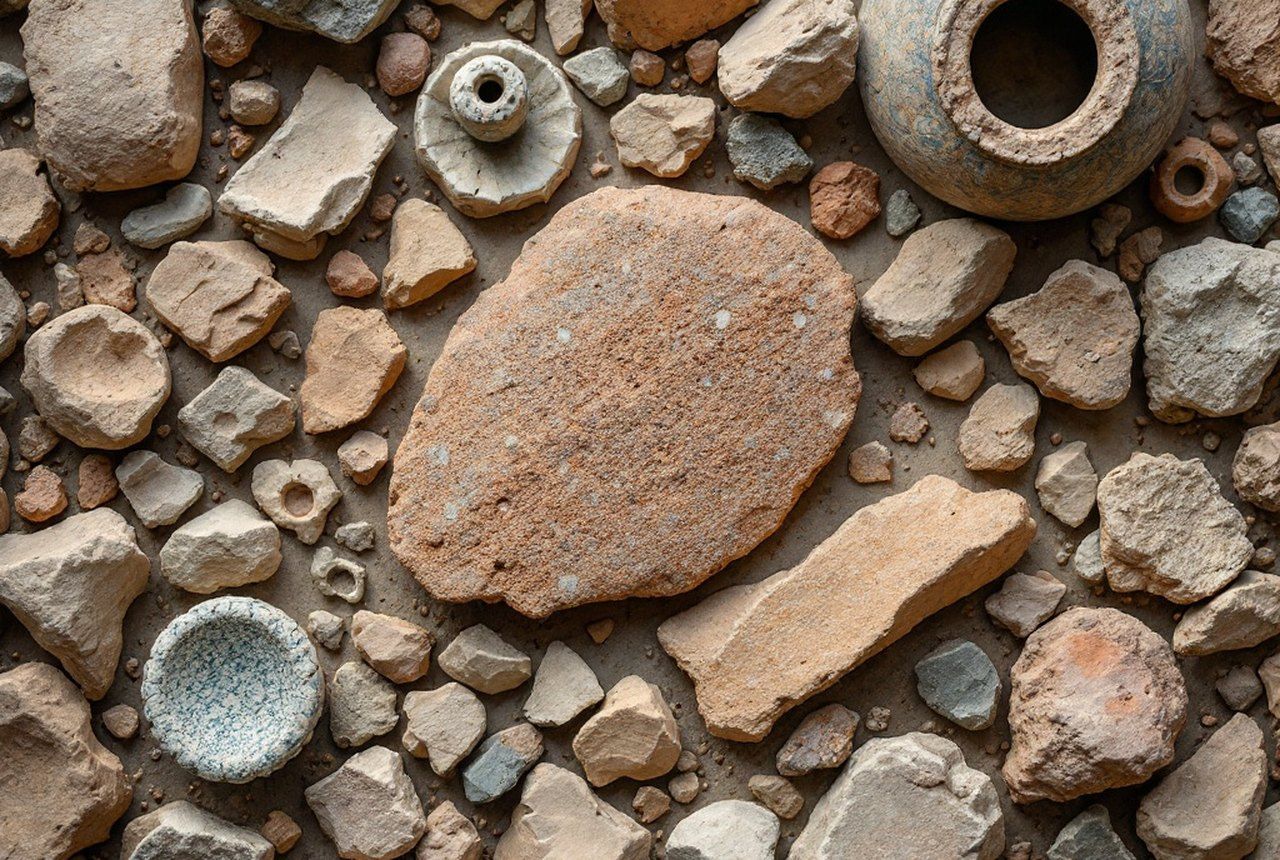
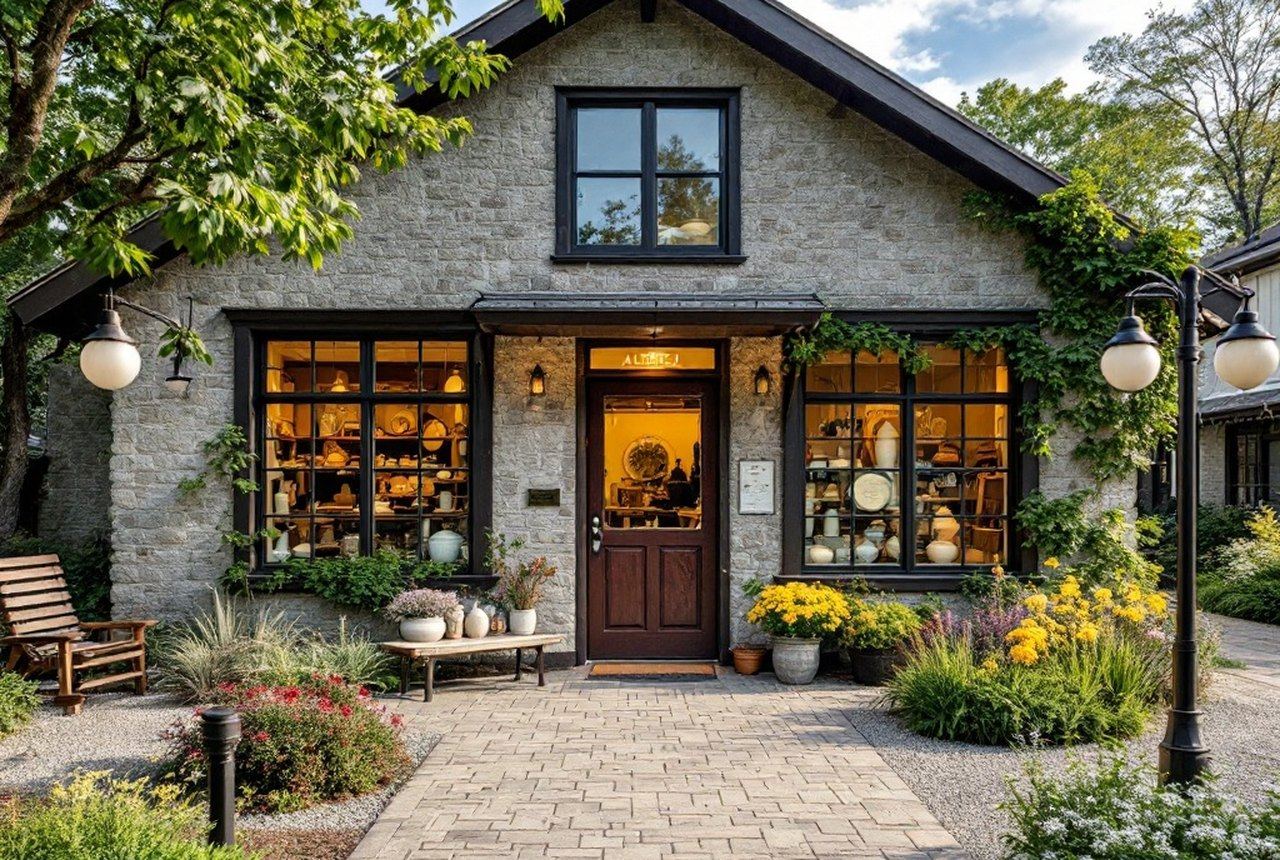
The small town of Alfred, New York might not appear on every traveller's itinerary, but for anyone passionate about ceramic art, it functions as something close to a pilgrimage site. Alfred University has been synonymous with ceramics education for generations, and the Alfred Ceramic Art Museum — sitting at the heart of that campus — stewards a collection of nearly 8,000 objects. The range is extraordinary: ancient pottery shards that carry the fingerprints, metaphorically speaking, of civilisations long gone; mid-century studio works; and urgent, formally adventurous pieces made right now.
The museum's mission is rooted in collection, preservation, and research — which means it functions not merely as a display space but as a living scholarly resource. Students, curators, materials scientists, and art historians converge here to study how the medium has evolved, how techniques have migrated across cultures, and where it might go next. In a world where many institutions struggle to define their purpose, Alfred Ceramic Art Museum's clarity is quietly inspiring.
Chronology
- Ancient eraCeramic traditions established in Mesopotamia, Indus Valley, and Egypt
- 20th centuryBritish Studio Ceramics movement emerges, recentring the individual maker
- 1985Fee Halsted founds Ardmore Ceramic Art in KwaZulu-Natal, South Africa
- PresentInstitutions across five countries actively collect and exhibit ceramic art
04Brussels' Dedicated Space: Puls Contemporary Ceramics
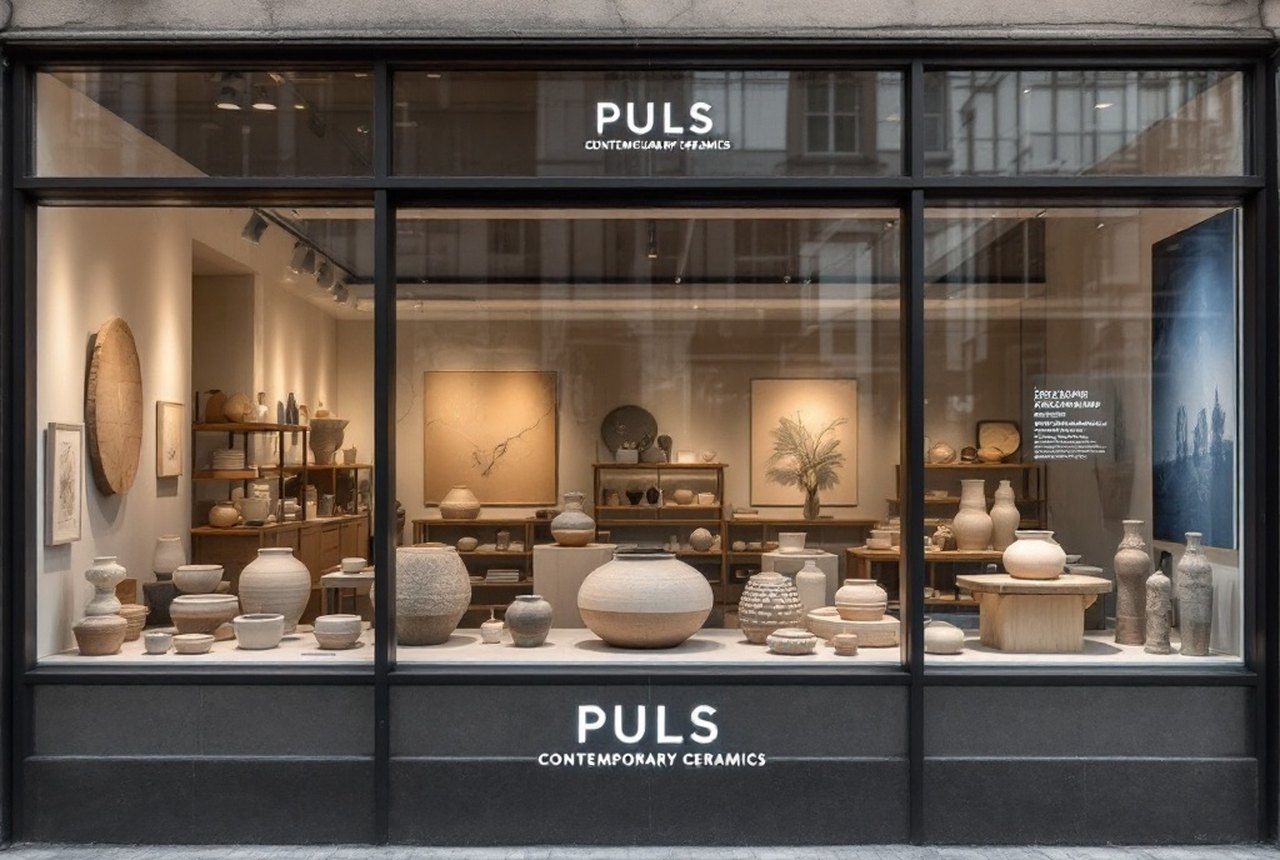
Belgium is not the first country that springs to mind when most people think of ceramic art traditions, yet Brussels, Belgium is home to Puls Contemporary Ceramics — a gallery that describes itself as the Belgian capital's only space dedicated solely to the medium. That singularity of focus is both a statement of belief and a practical advantage: the programme can go deeper, take more risks, and build a more coherent conversation around ceramic art than a mixed-media gallery ever could.
Puls balances the work of established names with emerging talent, which keeps the programming genuinely dynamic. For collectors, this makes it relevant as a place to discover significant artists before the wider market catches up. For curious first-time visitors, it offers an accessible entry point: there is no intimidating hierarchy here, just serious engagement with the work. Brussels, already a city of considerable cultural density, is richer for having it.
05Two Studios Where Art Is Made and Shown
Some of the most honest encounters with ceramic art happen not in purpose-built museums but in spaces where the making and the showing are inseparable. Two institutions embody this principle particularly well.
In Canada, the General Fine Craft gallery represents artists primarily from Ontario and Quebec, offering a window onto a regional scene that has developed its own distinctive character — less beholden to European or American movements, shaped instead by the particular light, landscape, and cultural mosaic of the country. Canadian ceramic art remains underappreciated internationally, and the General is doing the quiet, important work of correcting that.
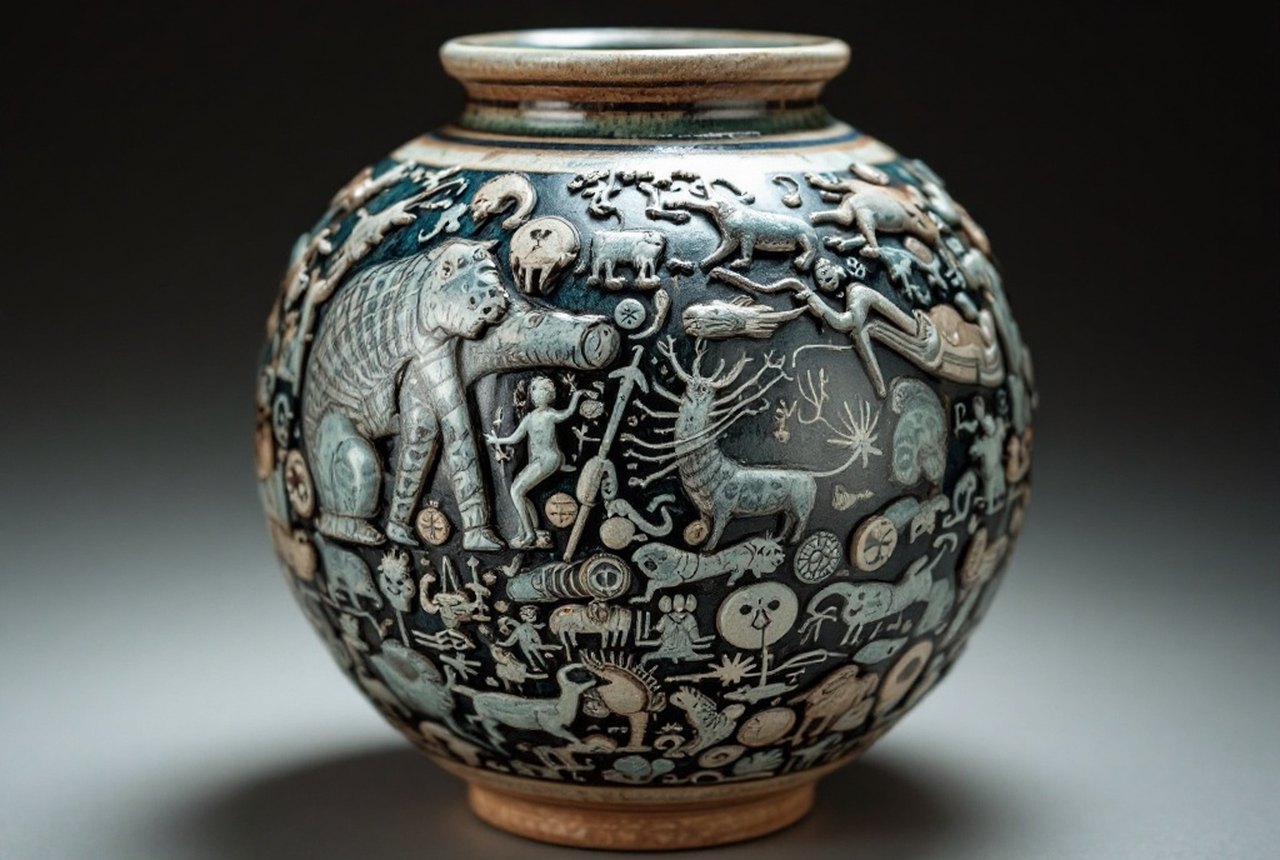
Then there is Ardmore Ceramic Art, founded in 1985 by Zimbabwean-born artist Fee Halsted in KwaZulu-Natal, South Africa. Ardmore is simultaneously a working studio and a gallery, with local artists creating and exhibiting side by side — a model that blurs every conventional line between production, education, and exhibition. Since its founding, Ardmore has grown into a celebrated creative community, known for its exuberantly detailed, narratively rich work that draws on the visual cultures of the surrounding region. The pieces are instantly recognisable: densely populated with animals, figures, and foliate forms, they carry a joyfulness that stops you in your tracks. That Ardmore functions as both an economic opportunity for local artists and a globally recognised name in contemporary ceramics is a testament to what genuine creative investment in a community can achieve.
06Why These Places Matter
Ceramics sits at the intersection of science, craft, and fine art — and it has sometimes suffered from an identity crisis as a result, claimed fully by none of those worlds and therefore underserved by all of them. What institutions like CoCA, Alfred Ceramic Art Museum, Puls, the General, and Ardmore demonstrate, in their very different ways, is that the medium needs no apology in any context. A fired clay vessel can be as archaeologically significant as a carved stone monument, as technically sophisticated as an aerospace component, and as emotionally affecting as any painting. These five places understand that, and they are building the collections, communities, and critical frameworks to make sure the rest of the world understands it too.