01An Unlikely Marriage of Clay and Cuisine
When most people think of ceramics, they picture a glowing kiln, a hand-thrown pot, or perhaps the heat shields of a returning spacecraft. Food is the last thing that springs to mind. Yet ceramic materials and ceramic-derived manufacturing processes have quietly found their way into one of the most intimate interfaces between technology and the human body: the edible film.
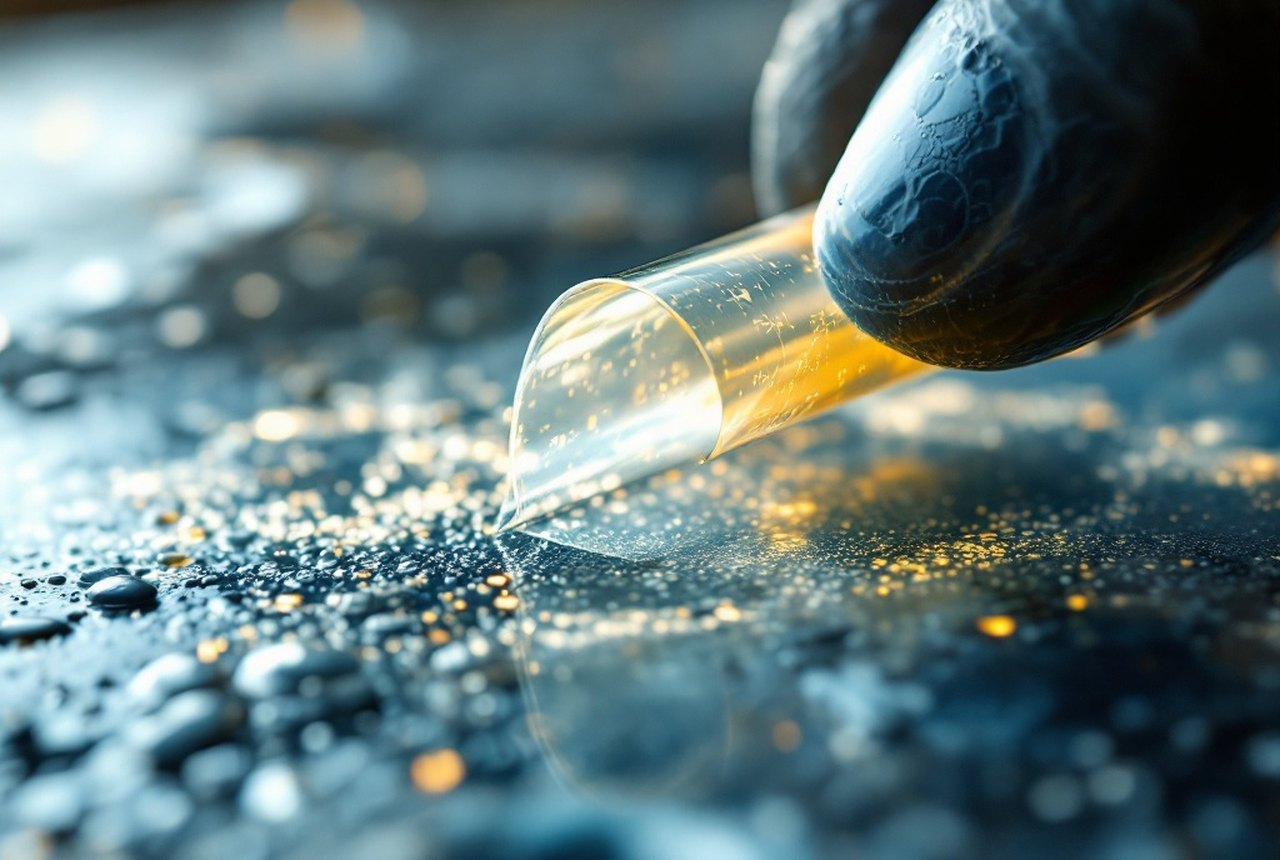
Edible films are ultra-thin coatings — applied to meat, produce, cheese, confectionery, and pharmaceutical tablets — designed to extend shelf life, lock in flavour and colour, and block the growth of pathogens. They are, in essence, a protective skin engineered at the microscopic level. What makes them genuinely surprising is the degree to which the science and the tooling behind them borrow from advanced ceramics — a field most of us associate with jet engines and circuit boards, not dinner plates.
The connection is not superficial. Researchers at Penn State's College of Agricultural Sciences have demonstrated that antimicrobial agents incorporated into ceramic-based edible films can meaningfully improve the microbiological safety of meats and other perishables. Their work points toward a future where the boundary between materials science and food science is not just blurred, but productively dissolved.
02Two Routes to a Vanishingly Thin Layer
At the heart of edible film production lie two fundamental manufacturing strategies: dry processing and wet processing. Both begin by combining ingredients — biopolymers, functional additives, and plasticisers — and both end with the evaporation or removal of a liquid phase to leave behind a continuous, flexible film. But the paths between those two points diverge significantly, and ceramics figures in each.
Dry processing encompasses extrusion and compression moulding. In extrusion, the film-forming mixture is pushed through a shaped die under heat and pressure; in compression moulding, it is pressed between two surfaces to produce a uniform layer. Critically, both techniques operate above the material's glass transition temperature — the point at which a solid shifts into a more pliable, molten-like state. The moulds and dies used in these processes are frequently fabricated from ceramic materials, chosen precisely because ceramics tolerate high temperatures without deforming, resist chemical attack, and do not leach contaminants into food-contact materials. Chemical inertness, one of the most celebrated properties of advanced ceramics, makes them ideal candidates anywhere food safety regulations are strict and process temperatures are high.
Wet processing takes a different approach. Biopolymers — proteins, starches, cellulose derivatives — are dissolved in a solvent to produce what researchers call a film-forming solution. Into this solution go functional additives: antimicrobial agents, nanoparticles, plasticisers, and sometimes lipids to modulate moisture permeability. The solution is then either spread across a flat substrate and allowed to dry, or a food product is simply dipped directly into it, withdrawn, and dried in place. That dipping variant produces what is technically an edible coating rather than a free-standing film — the distinction matters less to a consumer than to a food scientist, but the principle is elegant in its simplicity.
Wet processing currently remains largely at laboratory scale. Scaling it to industrial volumes presents genuine challenges around reproducibility, drying uniformity, and the behaviour of nanoparticle dispersions. These are, notably, the same challenges that confronted ceramic tape casting for decades before engineering solutions brought it into reliable mass production.
03Tape Casting: A Ceramics Technique Crosses Over
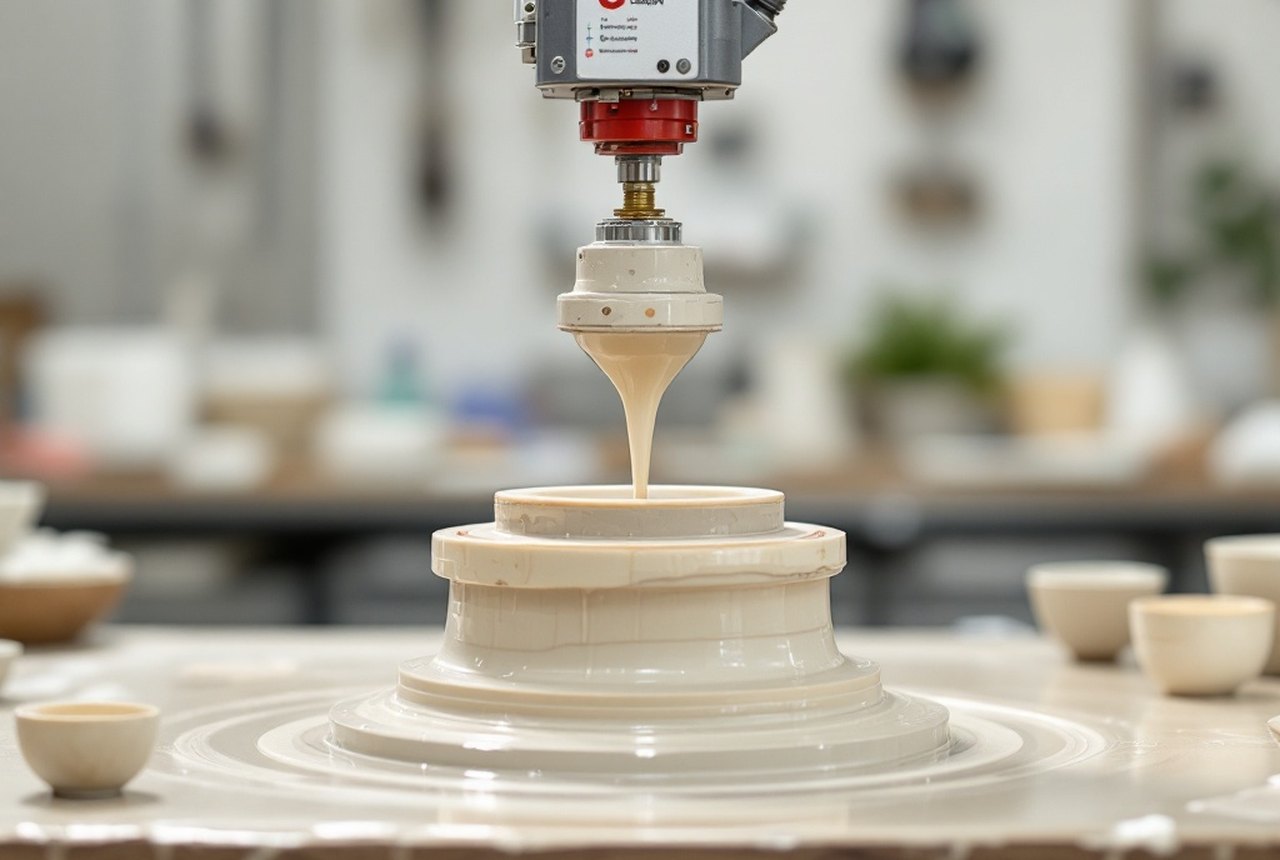
Tape casting has a long and productive history in ceramics manufacturing. The technique — spreading a liquid slurry of ceramic particles, binders, and solvents across a flat surface and drawing it into a thin, even layer with a precisely set blade — was developed originally to produce the flat ceramic sheets used in electronic components, multilayer capacitors, and substrates for integrated circuits. It is a process that demands exceptional control over viscosity, drying rate, and particle distribution. Done well, it yields layers of remarkable uniformity at thicknesses that would be impossible to achieve by other means.
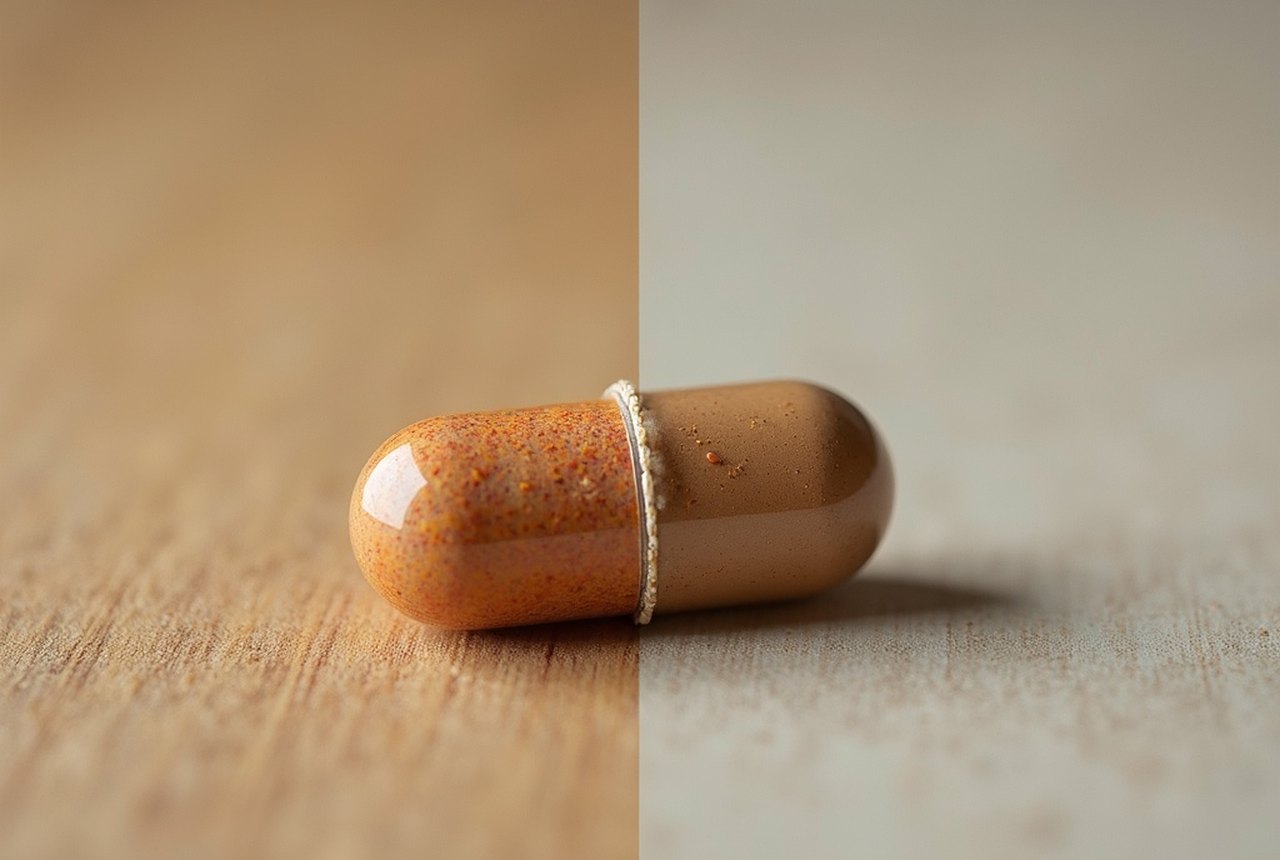
Now, food scientists and materials engineers are adapting tape casting for edible film production, borrowing the logic if not always the exact chemistry. The same qualities that made it indispensable for producing thin, defect-free ceramic sheets — precise thickness control, scalability, continuous processing — make it attractive for manufacturing edible films intended for pharmaceutical encapsulation. Ceramic-derived coatings produced through tape-casting-adjacent methods are already being used to encapsulate drugs inside capsules that are entirely safe for human consumption. The coating does what ceramic refractory linings do in a furnace: it acts as a controlled barrier, protecting what is inside from the environment until the moment release is desired.
This pharmaceutical application represents something genuinely elegant about edible ceramic films: they can serve double duty. On the outside of a food product, such a film blocks pathogens and inhibits oxidation. On the inside of a capsule, a closely related material delivers a precise pharmaceutical dose. The same materials science, applied at opposite ends of the protection-and-release spectrum.
Chronology
- Mid-20th centurytape casting developed for electronic ceramic components
- Present daytape casting adapted for edible film and pharmaceutical encapsulation research
- OngoingPenn State College of Agricultural Sciences researching antimicrobial ceramic-based edible films
04The Additives That Do the Work
Whatever manufacturing route is chosen, the performance of an edible film depends heavily on what goes into it. Three categories of additive are central to current research and application.
Antimicrobial agents — which may include natural extracts, essential oils, or engineered nanoparticles — are the workhorses of food safety. When incorporated into a film matrix, they migrate slowly to the food surface over time, maintaining an inhospitable environment for bacteria such as Listeria and Salmonella. Penn State researchers have shown this approach to be particularly effective on meat surfaces, where pathogen growth is both rapid and dangerous.
Plasticisers are essential for flexibility. A film without them would be brittle, cracking on any curved surface — hardly useful for coating an apple or a tablet. Glycerol is a common choice, though the precise formulation varies by application.
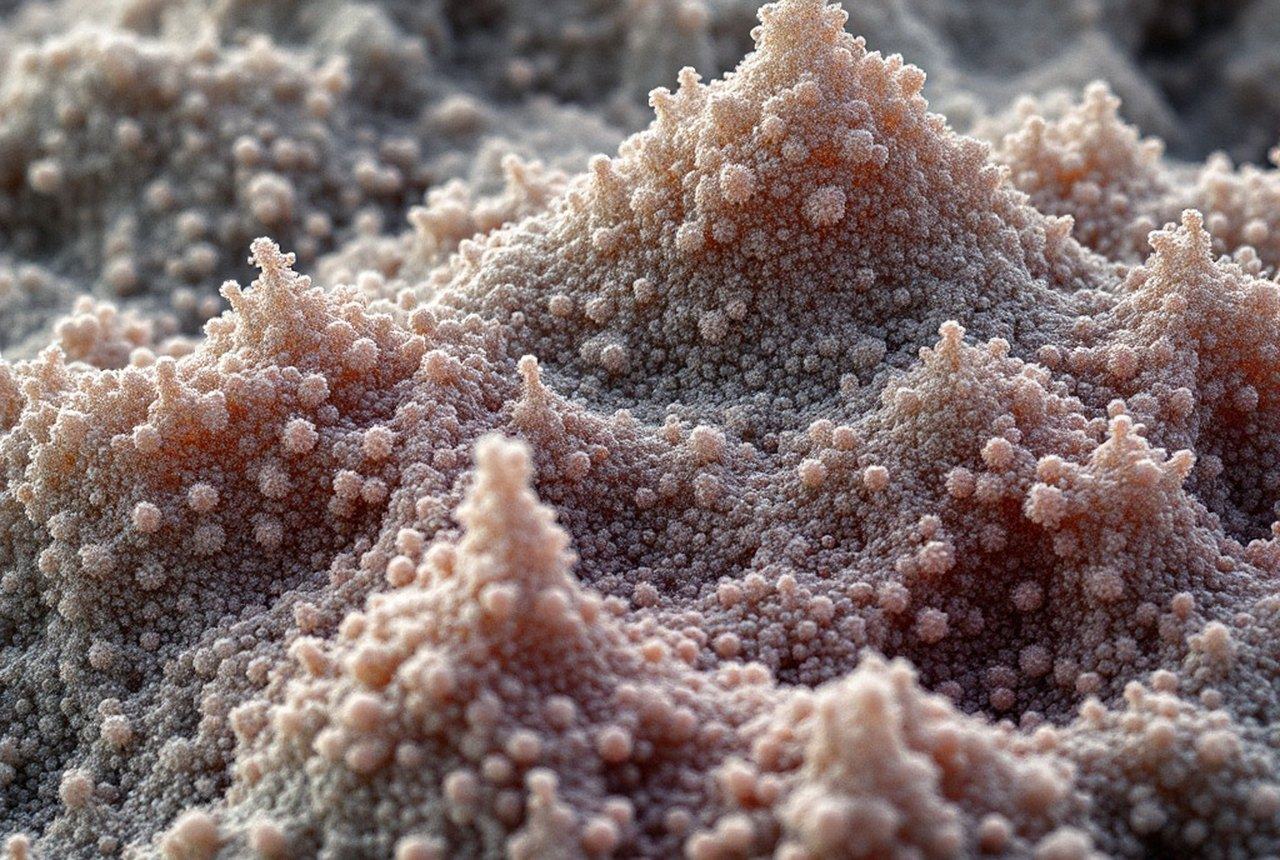
Nanoparticles represent the frontier. Ceramic nanoparticles — including zinc oxide and titanium dioxide — bring antimicrobial and UV-blocking properties to film formulations. Their extremely small size means they can be dispersed throughout a film matrix without compromising transparency or texture, while their high surface-area-to-volume ratio amplifies their functional effect. These are, in miniature, an expression of the same nanocomposite logic that researchers use to toughen structural ceramics in aerospace applications.
05A Small Material with a Large Ambition
What unites all of this — the ceramic moulds, the tape-casting lineage, the nanoparticle additives — is the long reach of materials science into unexpected places. Ceramics began as pots shaped by hand and hardened by fire; they evolved into refractory furnace linings, then into the semiconductors and bioceramics that define modern medicine and electronics. Edible films represent perhaps the most human-scale stop on that journey: a technology measured in microns, designed to sit invisibly between the world and what we eat.
It is, in every sense, ceramics you can swallow.