01Earth-Born, Earth-Friendly: Where Ceramics Come From
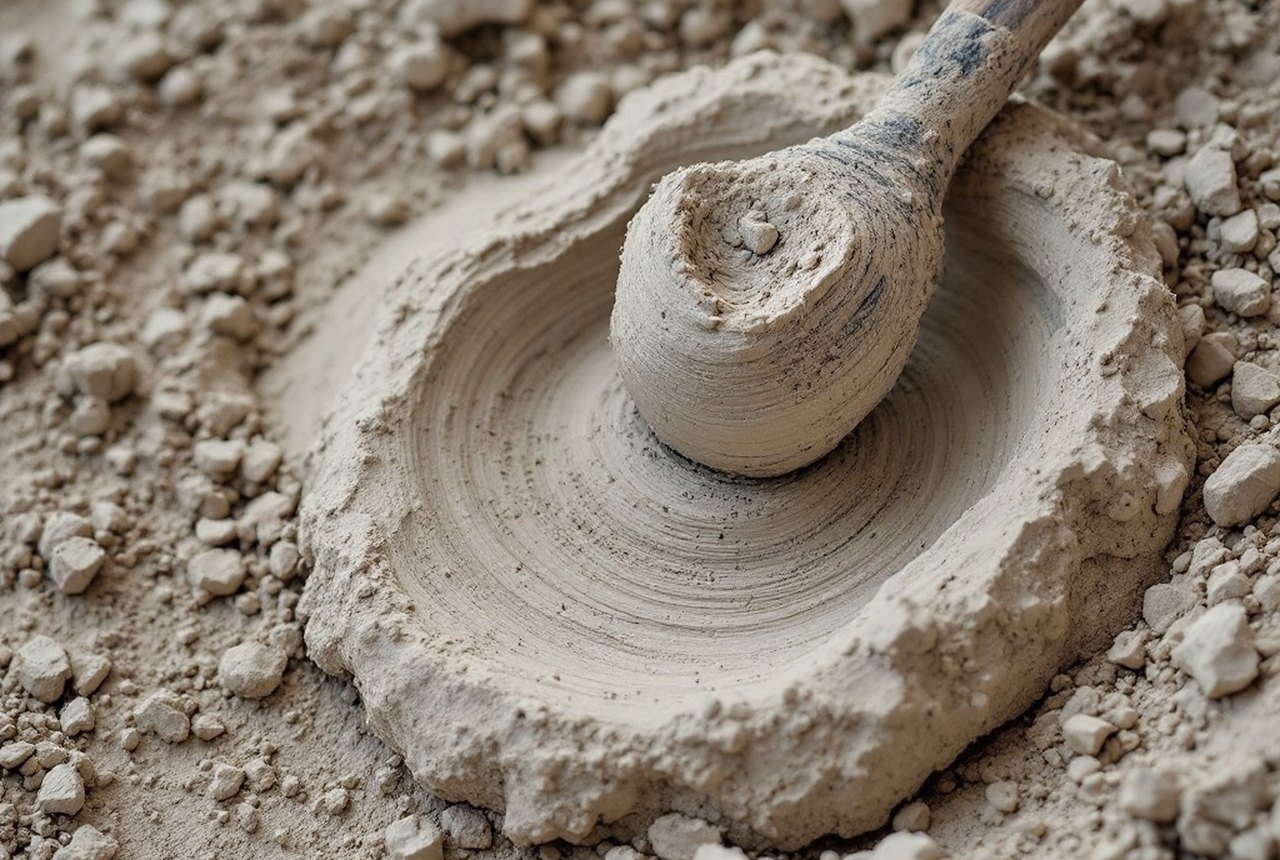
Long before architects specified it for minimalist interiors or engineers selected it for spacecraft heat shields, ceramic was simply mud — clay dug from riverbanks and hillsides, shaped by hand, hardened by fire. That elemental simplicity is precisely where its environmental credentials begin. Ceramic tiles are made from clay and other naturally occurring minerals: no synthetic feedstocks, no petroleum-derived polymers, no mining of genuinely scarce metals. The raw materials are, in geological terms, extraordinarily abundant.
This natural composition carries consequences that ripple forward across a product's entire life. When a ceramic tile eventually reaches the end of its useful life — decades or even centuries after installation — it does not release toxic gases during incineration, and it does not leach harmful compounds into the soil around a landfill. It reverts, in essence, to mineral residue; the same class of material from which it came. Even where glazes slow complete biodegradation, the environmental impact remains vastly more benign than that of synthetic flooring materials or plastics. The contrast matters, because the environmental cost of a material must be measured not just at the point of manufacture but across its entire arc of existence.
Humanity has been shaping ceramics for millennia. Archaeological evidence from Mesopotamia, the Indus Valley, and ancient Egypt attests to the durability of fired clay — pottery shards recovered from sites thousands of years old are the very reason archaeologists can reconstruct ancient economies and trade routes. The same qualities that kept those early vessels intact — hardness, chemical stability, resistance to biological decay — are exactly the qualities that make a well-made ceramic tile an argument for sustainability in their own right.
02The Surface That Cleans Itself (Almost)
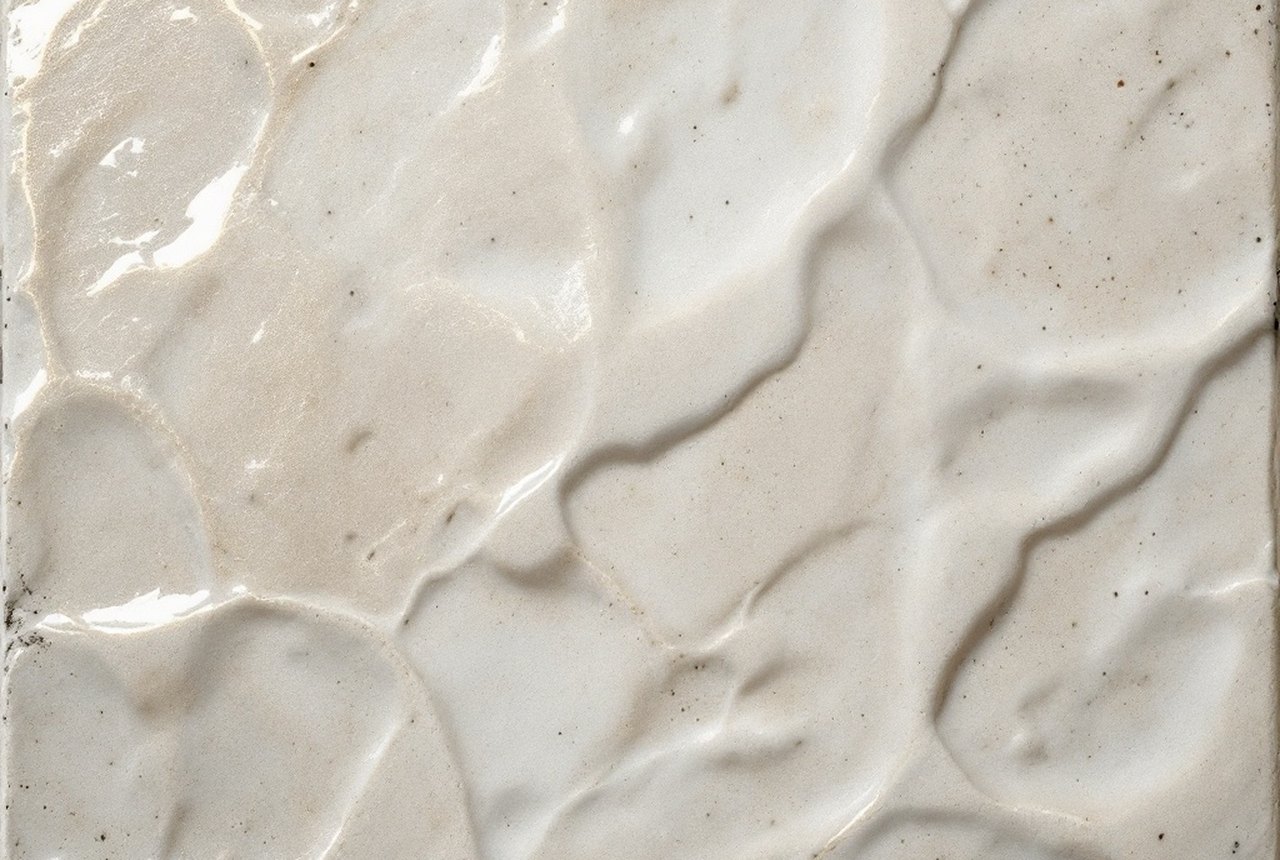
One of the more underappreciated aspects of ceramic's environmental profile is what happens after installation: almost nothing, and that is the point. A vitrified, glazed ceramic surface is dense and non-porous, which means liquids, oils, and biological contaminants cannot penetrate it. Mild soap and water are all that is routinely required to keep it clean. No specialist chemical treatments, no periodic resealants, no stripping agents.
This low-maintenance reality quietly reduces a household's chemical footprint across decades of use. When you consider the cumulative volume of cleaning products consumed by alternative materials — sealed stone, vinyl, laminate flooring with its surface coatings — the savings are not trivial. Advanced ceramics research, much of it conducted at institutions like Alfred University in Alfred, New York, and Penn State University Park, continues to improve surface technologies, including photocatalytic glazes that can actually break down organic pollutants when exposed to light, a property with obvious appeal for urban environments where air quality is a concern.
The glazing process itself also contributes to longevity. A properly fired glaze bonds chemically with the ceramic body beneath it, producing a surface that resists scratching, staining, and the gradual surface degradation that forces other materials into premature replacement. Durability, in this context, is not merely a selling point — it is a sustainability argument. A tile laid well can outlast every flooring trend that follows it, and a material that never needs replacing is one that never needs to be manufactured, transported, and disposed of again.
03The Honest Caveat: What Kilns Cost
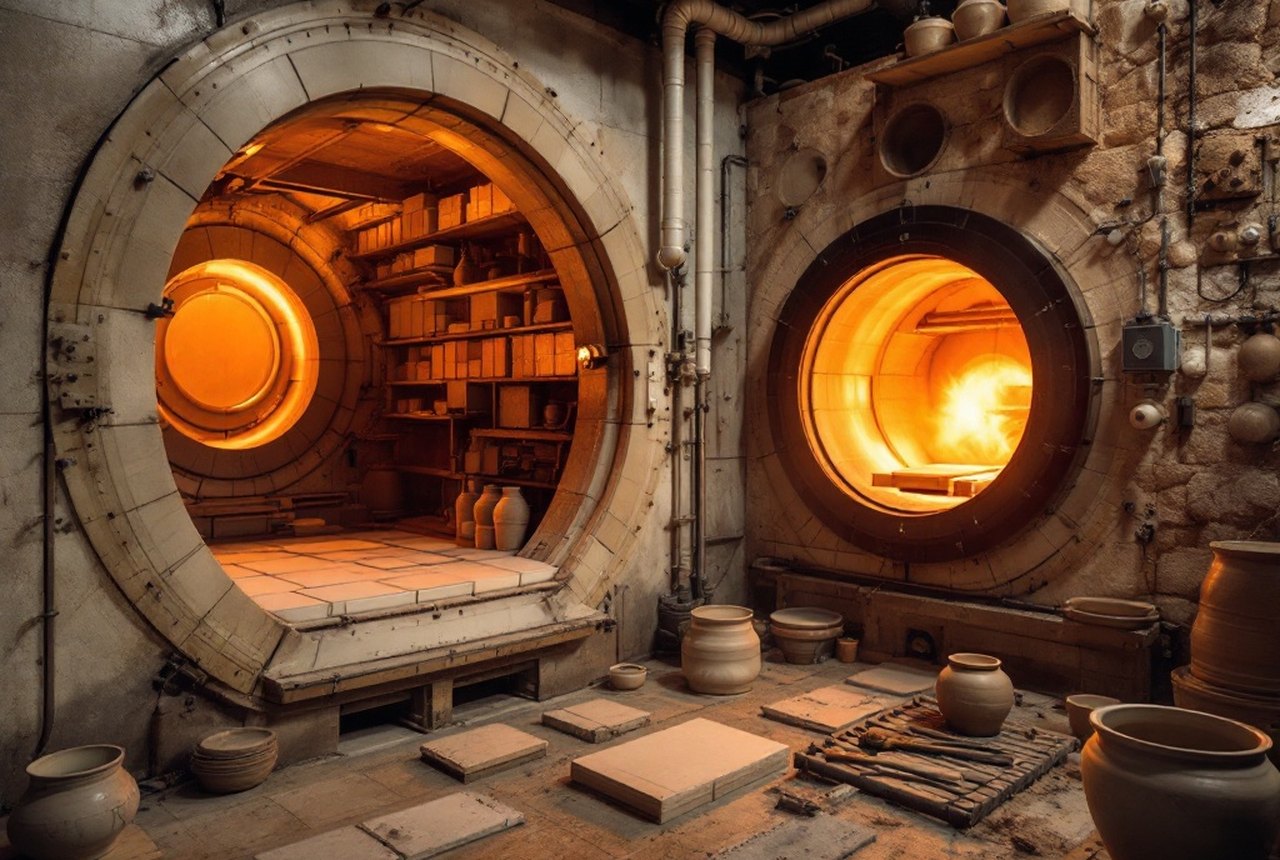
Any fair-minded account of ceramic's environmental credentials has to reckon with heat. Firing ceramic tiles requires kiln temperatures that typically reach around 1,200 °C — and for tiles requiring complex glazes, that can mean two separate firings. If those kilns are powered by natural gas or coal, the carbon cost is real and should not be minimised. Energy-intensive production is the most significant environmental liability in the ceramic lifecycle, and the industry knows it.
The response has been practical rather than complacent. Modern ceramic manufacturing increasingly employs heat-recovery systems that capture and recirculate thermal energy that would otherwise escape as waste, significantly reducing the fuel required per unit of output. Kiln design has become a serious engineering discipline in its own right, and ongoing research continues to push emissions and energy consumption lower. The longer-term prospect — electrification of kilns powered by renewable energy sources — would transform the carbon profile of ceramic production almost entirely. Some European manufacturers have already begun this transition.
It is also worth noting that, in comparison with equivalent glass production, ceramic firing generally demands less energy, and unlike metals such as aluminium, ceramics do not require enormously energy-intensive smelting from ore. The comparison must always be against realistic alternatives, not against an imaginary zero-impact material.
Chronology
- Ancient Mesopotamia / Indus Valley / Egyptearliest fired ceramic vessels produced
- 20th centuryindustrial ceramic tile manufacturing industrialised globally
- Presentelectrification and heat-recovery systems being adopted by leading manufacturers
04One Material, Countless Applications
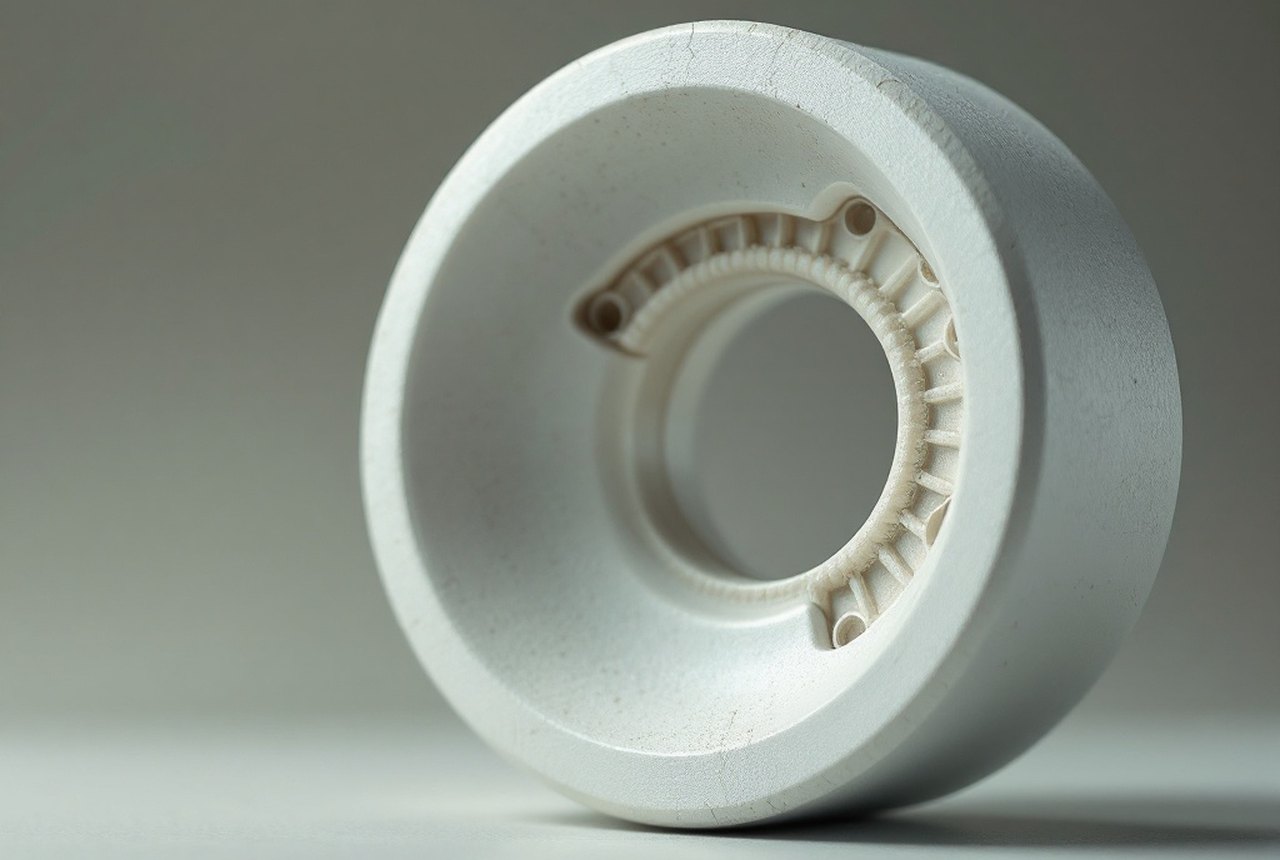
Ceramics' versatility extends far beyond floors and walls — a fact that shapes the broader sustainability calculation. Alumina, one of the most widely used advanced ceramics and a form of aluminium oxide, appears in medical prostheses, laser tubes, ballistic armour panels, electrical insulators, and industrial wear components, prized for its chemical inertness and exceptional hardness. The same basic category of material that protects a bathroom floor from scuff marks also, in refined form, protects a soldier in the field or lines a furnace operating at temperatures that would destroy steel.
Glass — technically a member of the ceramic family of inorganic, non-metallic solids — is equally ubiquitous: packaging, tableware, building facades, thermal insulation, automotive glazing, and medical devices all depend on it. Bioceramics, engineered to bond directly with living bone tissue, are used in joint replacements and dental implants where the body's own chemistry must accept the material as if it were part of itself. Particulate filters made from ceramic composites trap soot particles in diesel engine exhaust systems, directly reducing urban air pollution.
This breadth of application matters for sustainability because ceramics can displace materials with substantially worse environmental profiles. A ceramic membrane used in water treatment can replace polymer-based alternatives with shorter service lives. Carbon-ceramic brake discs in high-performance vehicles last significantly longer than conventional iron discs and shed less particulate matter during use. The calculation is rarely simple, but ceramics consistently reward a full lifecycle analysis.
05The Long View
Materials science is rarely a story of dramatic revolutions — it tends instead toward patient, incremental improvement, which is perhaps appropriate for a class of materials whose history stretches back to the earliest human settlements. The same core qualities that made ancient earthenware indispensable — durability, chemical stability, natural composition, the capacity to endure — continue to drive innovation in ceramics research today, pushing toward materials that perform better while leaving a smaller environmental footprint.
The case for ceramic as a green building material is not a simple one, and it would be dishonest to pretend otherwise. Kiln energy remains the sector's central challenge. But across the full arc of a product's life — from mineral extraction through manufacture, installation, decades of low-maintenance use, and final disposal — ceramics offer a profile that most alternative materials cannot match. In a world trying to build more thoughtfully, that is a foundation worth understanding.